
- New
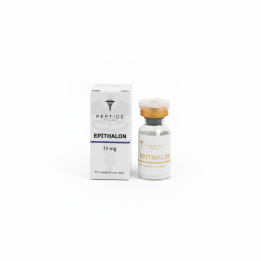
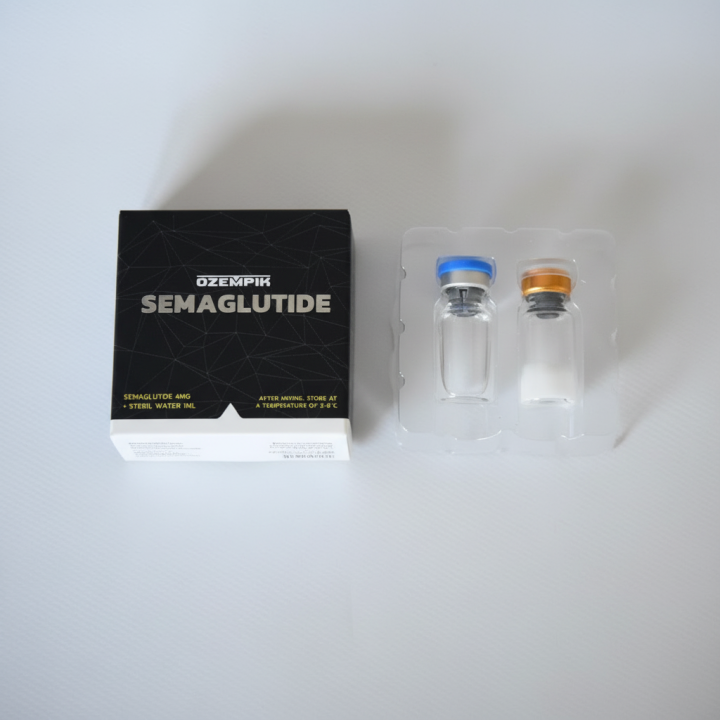
Ozempik Semaglutide 4mg images
What Is Semaglutide?
Semaglutide is a prescription medication used to help manage type 2 diabetes, support weight loss and weight management, and lower the risk of certain health complications in people with diabetes. It is sold under the brand names Ozempic, Wegovy, and Rybelsus.
This medication may also be prescribed to reduce the risk of major cardiovascular events and chronic kidney disease in some individuals with type 2 diabetes. Additionally, Wegovy has been approved to treat Metabolic Dysfunction–Associated Steatohepatitis (MASH) in patients who do not have liver cirrhosis.
Semaglutide is available in two forms:
Weekly injections, which are injected under the skin
Daily oral tablets
The medication works by affecting several processes in the body that regulate blood sugar and appetite. It helps:
Reduce hunger and appetite
Slow down stomach emptying after meals
Increase insulin release from the pancreas
Decrease the release of glucagon, a hormone that raises blood sugar levels
Semaglutide belongs to a class of drugs called GLP-1 receptor agonists. These medications imitate the action of the natural hormone GLP-1, which the body releases after eating to help regulate blood sugar and control appetite.
All semaglutide medications are manufactured by Novo Nordisk, and there is currently no generic version available.
The first semaglutide medication to receive approval from the U.S. Food and Drug Administration was Ozempic, which was approved on December 5, 2017.
Each brand of semaglutide is approved for specific medical conditions and patient groups, so doctors choose the appropriate version depending on the treatment goal.
What Is Semaglutide Used For?
Semaglutide is approved by the U.S. Food and Drug Administration for several medical uses, depending on the brand. The main semaglutide medications include Ozempic, Wegovy, and Rybelsus.
Each of these products is approved for specific health conditions and patient groups. In most cases, semaglutide treatment is recommended alongside lifestyle changes, including a reduced-calorie diet and increased physical activity.
FDA-approved uses by brand
Ozempic: treatment of Type 2 Diabetes, reduction of major cardiovascular risks, and protection against kidney function decline.
Wegovy: weight management, lowering cardiovascular risk, and treatment of **Metabolic Dysfunction–Associated Steatohepatitis (MASH) without cirrhosis.
Rybelsus: management of type 2 diabetes and reduction of cardiovascular event risk.
What Is Ozempic Used For?
Ozempic, available as injections and tablets, is approved for use in adults to:
Help control blood sugar levels in people with type 2 diabetes
Reduce the risk of major cardiovascular events, including heart attack, stroke, or death, in patients with type 2 diabetes who are at high risk
The Ozempic injection is also approved to:
Lower the risk of worsening kidney function
Reduce the likelihood of kidney failure
Decrease the risk of cardiovascular death in people with type 2 diabetes and chronic kidney disease (CKD)
What Is Wegovy Used For?
Wegovy is mainly prescribed for weight management and cardiovascular risk reduction.
In adults, Wegovy tablets and injections are approved for:
Weight loss and long-term weight management in people with obesity
Weight management for overweight individuals who also have weight-related conditions such as high blood pressure, type 2 diabetes, or high cholesterol
Reducing the risk of serious cardiovascular events (heart attack, stroke, or death) in adults with cardiovascular disease who are overweight or obese
The Wegovy injection is also approved for:
Weight management in adolescents 12 years and older who have obesity
Treatment of Metabolic Dysfunction–Associated Steatohepatitis (MASH) without cirrhosis in adults who have moderate to advanced liver fibrosis (stages F2–F3). This approval was granted through an accelerated pathway.
What Is Rybelsus Used For?
Rybelsus is an oral semaglutide medication used in adults for:
Managing type 2 diabetes by helping regulate blood sugar levels
Lowering the risk of major cardiovascular events—such as heart attack, stroke, or death—in people with type 2 diabetes who also have known heart disease
How Does Semaglutide Work?
Semaglutide helps regulate blood sugar levels and support weight loss through several mechanisms in the body. It works by:
Stimulating the pancreas to release more insulin
Reducing the amount of glucose produced by the liver
Slowing the digestive process so food remains in the stomach longer
Lowering appetite and reducing overall food intake
Because of these combined effects, people tend to feel full for a longer time, consume fewer calories, and maintain better control over blood sugar levels. This can lead to weight loss, improved diabetes management, and a lower risk of cardiovascular complications.
Semaglutide works by mimicking the action of a natural hormone called Glucagon-like Peptide-1 (GLP-1). This hormone is normally released by the body after eating and helps regulate appetite, digestion, and blood sugar.
Medications such as Ozempic, Wegovy, and Rybelsus contain semaglutide and act as GLP-1 receptor agonists, meaning they activate the same receptors as the natural GLP-1 hormone.
Although semaglutide has been shown to reduce the risk of kidney-related complications in some patients, the exact biological mechanism behind this protective effect is not yet fully understood.
Semaglutide belongs to a class of medications known as GLP-1 receptor agonists, which are commonly used to treat Type 2 Diabetes and support weight management.
Semaglutide Side Effects
Like most medications, semaglutide may cause side effects. These can range from mild digestive symptoms to more serious health concerns. Many of the common side effects tend to improve as the body adjusts to the medication.
Semaglutide is the active ingredient in medications such as Ozempic, Wegovy, and Rybelsus.
Common Semaglutide Side Effects
Frequently reported side effects include:
Upset stomach
Heartburn
Burping or gas
Bloating
Nausea or vomiting
Stomach pain
Reduced appetite
Diarrhea or constipation
Symptoms similar to stomach flu
Low blood sugar (in people with Type 2 Diabetes)
Headache
Dizziness
Fatigue
Digestive or gastrointestinal symptoms are the most common. These effects are usually mild and often disappear within a few weeks as the body adapts to the medication. However, they may occur more frequently when higher doses are used.
Tips for Managing Stomach Side Effects
If semaglutide causes stomach discomfort, the following strategies may help:
Eat meals more slowly
Choose smaller portions
Opt for mild, low-fat foods such as crackers, toast, or rice
Avoid greasy, fried, or very sugary foods
Eat foods with higher water content, such as soups or gelatin
Avoid lying down immediately after eating
Drink clear or cold beverages
Get fresh air if nausea occurs
People with severe Gastroparesis are generally advised not to use Rybelsus.
Managing Low Blood Sugar (Hypoglycemia)
Low blood sugar, also known as Hypoglycemia, may occur in people taking semaglutide together with other diabetes medications such as insulin or sulfonylureas.
Tips to reduce the risk
Monitor blood sugar regularly
Check levels when adjusting your semaglutide dose
Your doctor may reduce the dose of insulin or other diabetes medications if needed
Symptoms of low blood sugar may include
Hunger
Dizziness
Anxiety or irritability
Sweating
Shaking
Tingling lips
Rapid heartbeat
Fatigue or weakness
Blurred vision
Confusion
How to treat low blood sugar
Consume something that quickly raises blood sugar, such as:
fruit juice
sugary soda (not diet)
glucose tablets or gel
candy
Check blood sugar again after 10–15 minutes.
If levels are still low, repeat with another sugary snack or drink and check again after 10 minutes.
After symptoms improve, eat a balanced meal or snack to stabilize blood sugar levels.
In severe cases of hypoglycemia, a glucagon injection may be required.
Serious Semaglutide Side Effects
Seek emergency medical attention if you experience signs of an allergic reaction, including:
Hives or itching
Dizziness
Rapid heartbeat
Difficulty breathing
Swelling of the face, lips, tongue, or throat
You should contact your doctor immediately if you notice:
Vision changes
Unusual mood changes or thoughts of self-harm
Rapid or irregular heartbeat
Feeling faint or lightheaded
Possible signs of serious medical conditions
Thyroid tumor symptoms
Lump or swelling in the neck
Difficulty swallowing
Hoarse voice
Shortness of breath
Symptoms of Pancreatitis
Severe upper abdominal pain that spreads to the back
Nausea or vomiting
Rapid heart rate
Gallbladder problems
Upper abdominal pain
Fever
Pale or clay-colored stools
Yellowing of the skin or eyes (jaundice)
Kidney problems
Swelling in the body
Reduced urination
Fatigue
Shortness of breath
Severe stomach illness
Strong stomach cramps
Persistent vomiting
Loss of appetite
Watery or bloody diarrhea
How Should I Use or Take Semaglutide?
Semaglutide should always be used exactly as prescribed by your healthcare provider. Carefully follow all instructions provided with the medication, and consult your doctor or pharmacist if you have any questions.
Semaglutide is available in injectable and oral forms. Injectable versions include Ozempic and Wegovy, which are typically administered once per week.
Semaglutide Injection Instructions
Semaglutide injections are given under the skin (subcutaneously). They are usually taken once per week, at any time of the day, and can be used with or without food
, unless specifically directed by a healthcare professional.
Ozempic Dosing Information
Ozempic Injection – Recommended Dosage
Treatment with Ozempic injections usually begins with a low starting dose that gradually increases over time.
Initial dose
 Secure Bitcoin Payments
 Free Shipping
 Discreet Packaging

Comments (0)
Your review appreciation cannot be sent
Report comment
Report sent
Your report cannot be sent